
Home » Injured as a Passenger in a Drunk Driving Accident
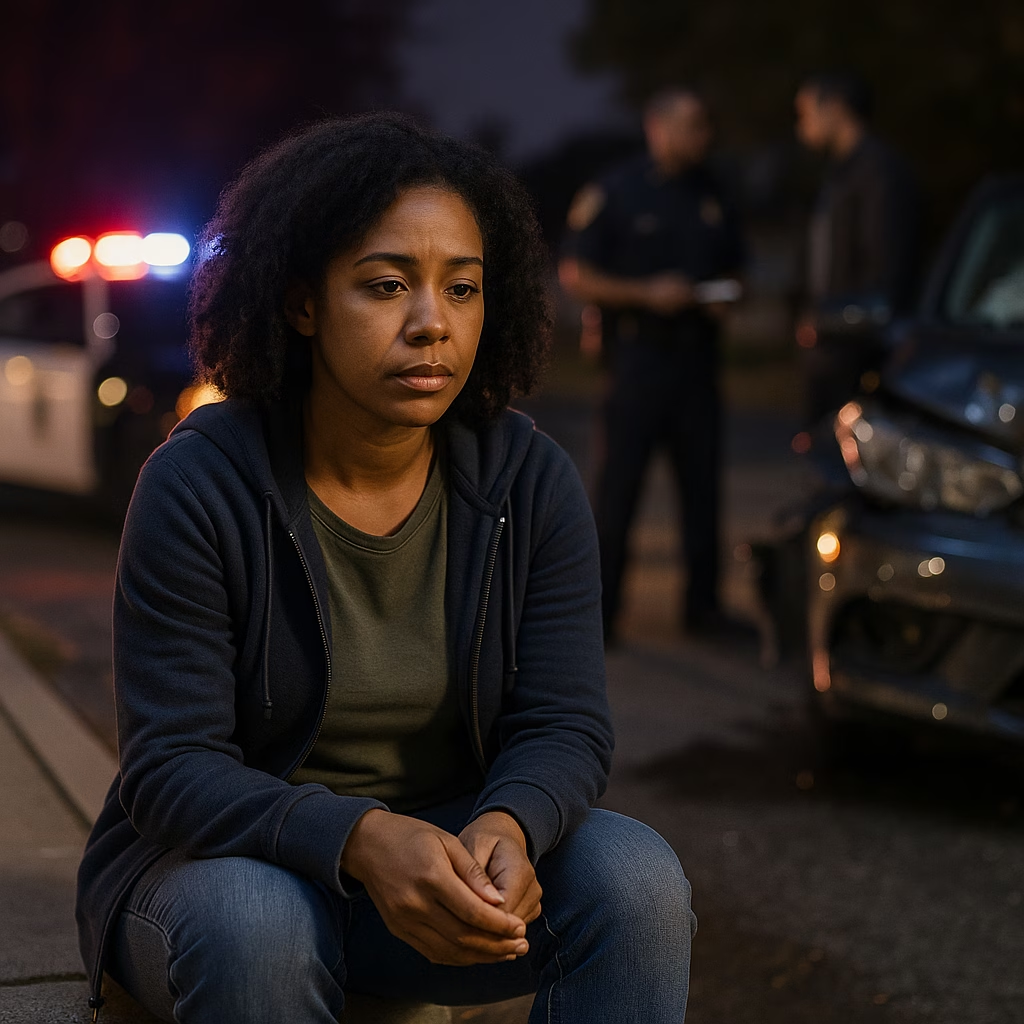
Being injured in a drunk driving accident is terrifying — but when you were just a passenger, it can feel even more confusing. You weren’t behind the wheel, yet you’re left dealing with the injuries, medical bills, and emotional trauma.
The question most clients ask first: “Who pays for my damages?”
The answer depends on who was driving, whose fault it was, and whether alcohol service laws apply.
At 833-GET-PAID, we’ve helped countless passengers recover compensation from drunk drivers, bars, and even friends — without adding guilt or conflict to an already painful situation.
Passengers injured in drunk driving crashes have multiple legal options — including claims against the driver, another motorist, or even a bar under dram shop laws.
Your claim targets insurance, not individuals. Even if the drunk driver was a friend or family member, their insurer pays the damages.
Passengers can recover significant compensation for medical bills, pain and suffering, lost wages, and emotional trauma.
Dram shop laws may hold bars or hosts liable if they overserved the driver who caused the crash.
Never delay seeking legal help — evidence like bar receipts and surveillance footage can disappear quickly after an accident.
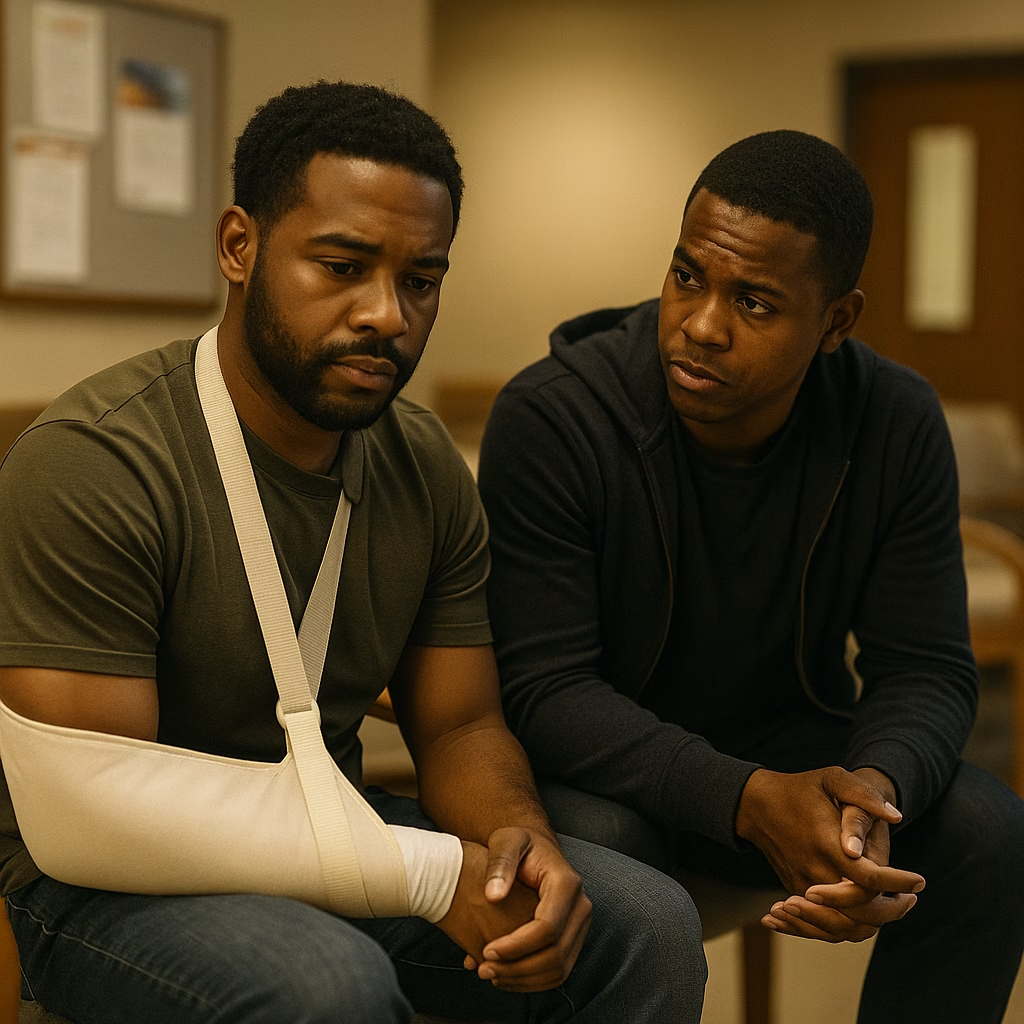
Liability depends on who caused the accident and what role alcohol played. There are typically three main parties who may share responsibility:
If you were riding with someone who was intoxicated and they caused the crash, their auto insurance (and possibly their personal assets) can be held liable for your injuries.
Even if they’re a friend or family member, your claim is filed against their insurance, not them personally. This is similar to any at-fault driver situation — the insurer handles payouts and legal defense.
If another driver caused the wreck — for example, by running a red light or speeding — their insurance company may be primarily responsible.
In many cases, both drivers share some blame, and your attorney can pursue claims against multiple insurers to ensure full recovery.
See also: Injured as a Passenger: Who Pays?
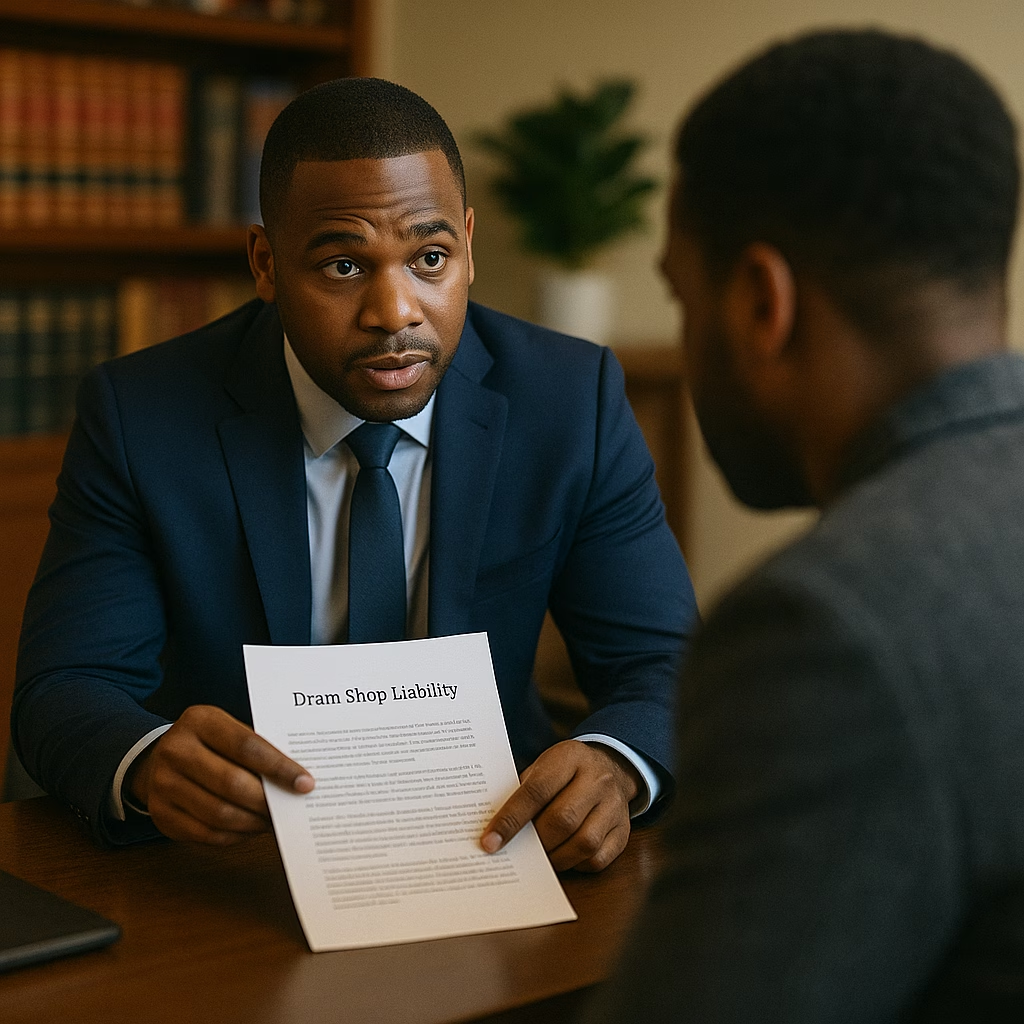
In some states, a bar, restaurant, or social host can be held responsible for overserving alcohol to an already-intoxicated driver.
Under “dram shop” laws, if a business serves alcohol to someone who was visibly drunk or underage, and that person later causes a crash, the establishment may share liability.
833-GET-PAID investigates where the driver was drinking, who served them, and whether surveillance footage or receipts can help prove overservice.
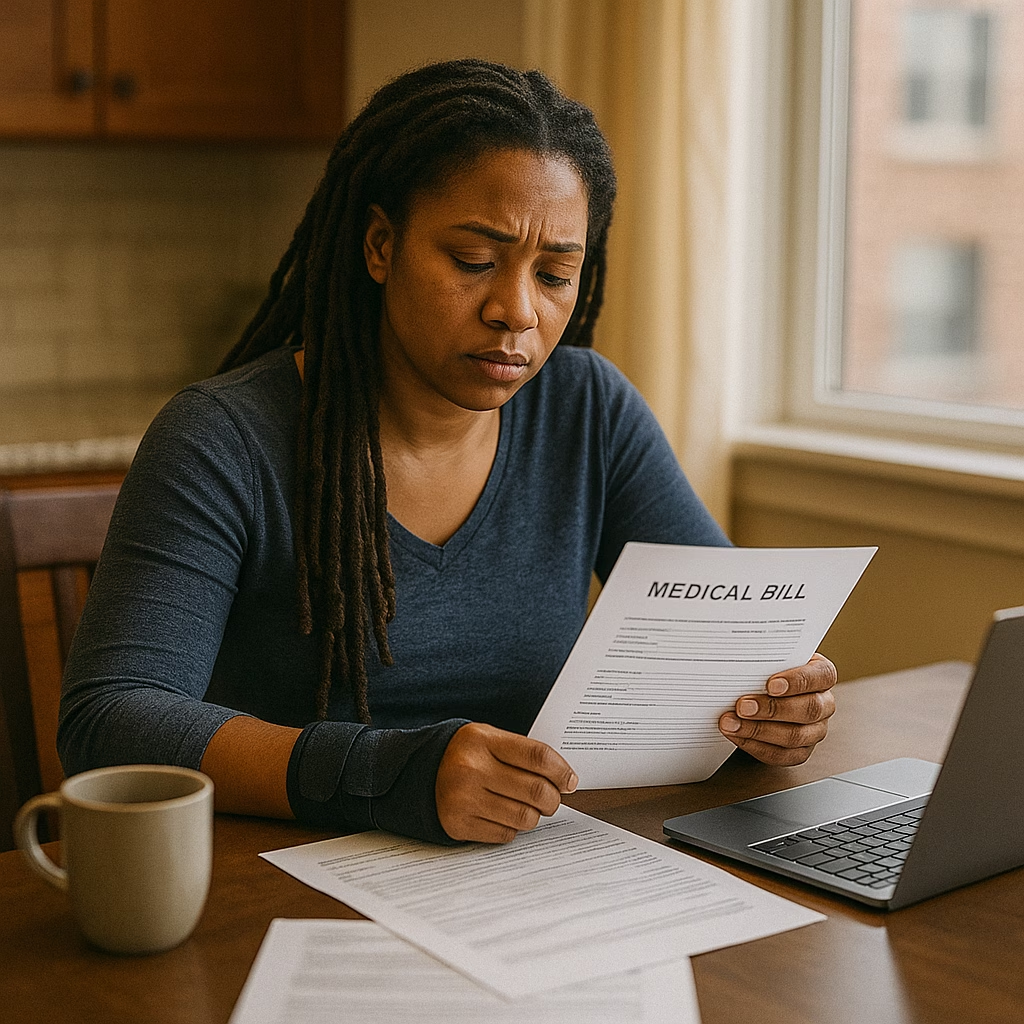
If you were injured as a passenger in a drunk driving crash, you may be entitled to compensation for:
Medical bills and ongoing treatment
Lost wages or reduced earning potential
Pain and suffering
Emotional trauma or PTSD
Permanent disability or scarring
Wrongful death damages (for family members of victims)
Because alcohol-related crashes are often severe, settlement values in these cases tend to be higher than typical accident claims. Remember to know your passenger rights after a car accident.
It’s rare, but insurers may try to argue “assumption of risk” if you knowingly got into a car with a visibly drunk driver.
That doesn’t automatically bar you from recovery — under comparative negligence laws, your compensation may simply be reduced by your share of fault.
Example:
If you’re found 10% at fault for riding with an intoxicated friend, and your total damages are $100,000, you could still recover $90,000.
833-GET-PAID works to minimize or eliminate these allegations by showing you didn’t know the driver was intoxicated or didn’t have another reasonable way home.
Proving fault in a drunk driving case often requires a mix of police evidence and civil discovery. Strong evidence may include:
Police reports and BAC results
Bar or restaurant receipts
Surveillance or dashcam footage
Witness statements
Texts or social media posts showing alcohol use
Expert testimony on driver impairment
833-GET-PAID acts quickly to preserve this evidence before it disappears. Timing is critical — especially when dealing with bars or businesses that may delete footage after 30 days.
Drunk driving injury cases often involve emotionally charged situations — sometimes even friends, coworkers, or local businesses.
A skilled attorney helps you:
Identify every liable party
Negotiate with multiple insurance companies
Handle sensitive claims without damaging relationships
Pursue punitive damages where applicable (to punish reckless behavior)
833-GET-PAID approaches every drunk driving passenger case with compassion and precision — ensuring victims receive justice without unnecessary conflict.
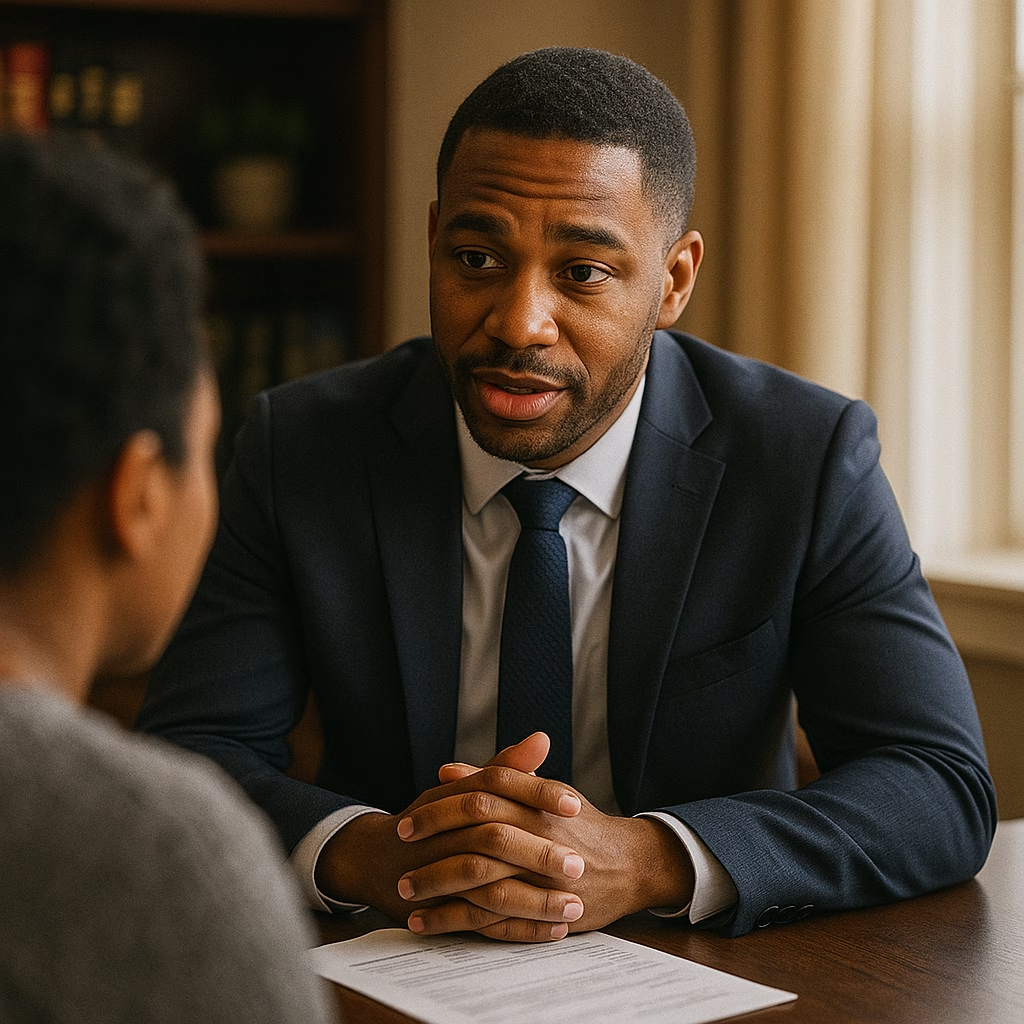
Most states have a two-year statute of limitations for injury claims, but evidence in DUI cases disappears quickly.
Bar footage may be erased, and witnesses can forget details within weeks.
The sooner you contact an attorney, the stronger your case will be. They will help you to understand passenger rights after a car accident.
Yes. If the drunk driver caused the crash, you can file a claim against their auto insurance policy. In severe cases, you may also pursue punitive damages to hold them accountable for reckless behavior.
You can still file a claim — it’s made against their insurance, not them personally. Most drivers never pay out of pocket; their insurer covers your damages.
Possibly. Under dram shop laws, bars and restaurants can be held liable if they serve alcohol to an intoxicated or underage person who later causes a crash.
Sometimes insurers argue that a passenger “assumed the risk.” However, you may still recover compensation under comparative negligence laws, even if you share minor responsibility.
Passengers can recover medical costs, lost wages, pain and suffering, emotional trauma, and in some cases, punitive damages to punish the driver’s recklessness.