
Home » Do Passengers Ever Get Blamed for an Accident?
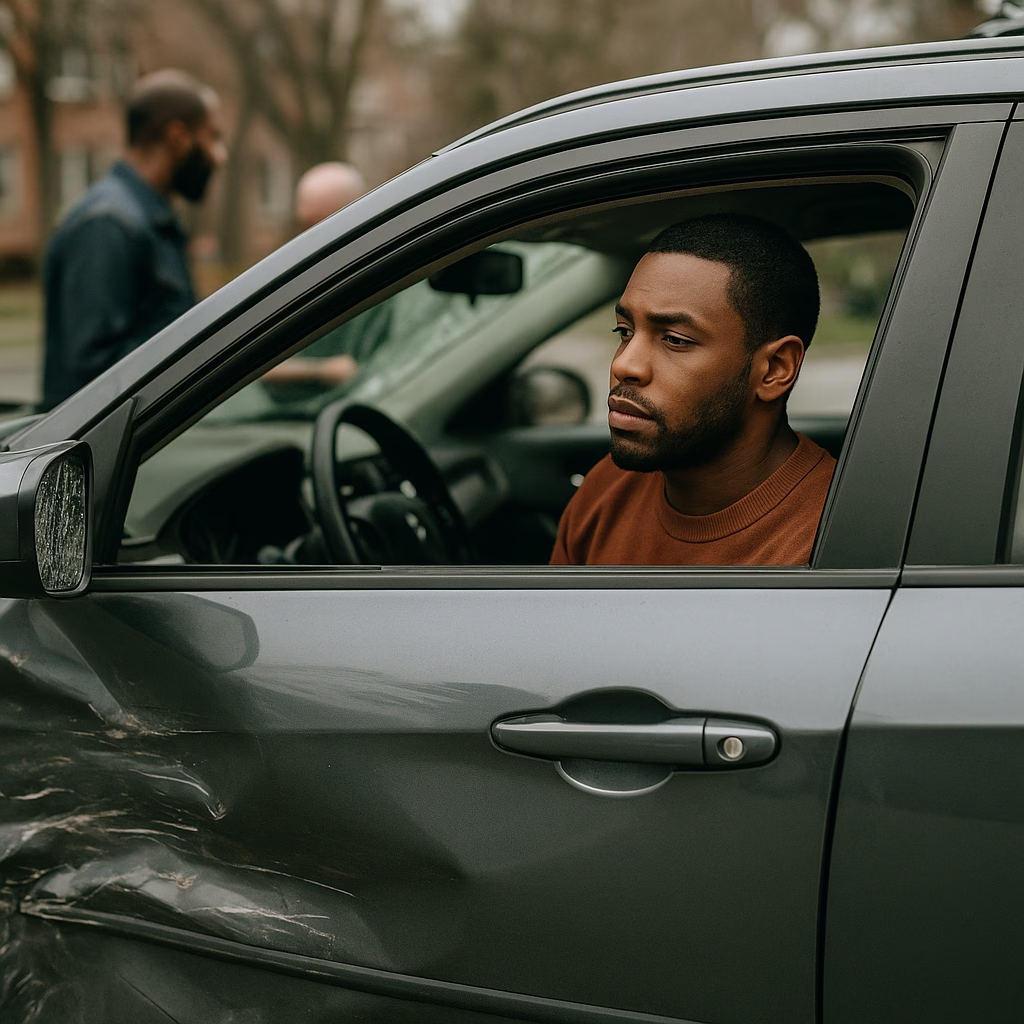
When a crash happens, most people assume the driver is the only one at fault. But what if the passenger’s behavior somehow contributed to the accident? Can a passenger really be blamed — or even held financially responsible — for a car crash?
It’s rare, but not impossible. Under certain circumstances, a passenger’s actions can influence liability, especially if their behavior directly contributed to the cause of the accident.
At 833-GET-PAID, we’ve handled many cases where insurers tried to shift blame onto passengers — and we know how to push back when they do.
Passengers are rarely found at fault in car accidents, but insurers may argue otherwise in limited cases like distractions or physical interference.
Comparative negligence laws can reduce compensation slightly if a passenger’s actions contributed to the crash.
Simply riding with a drunk driver doesn’t automatically make you liable, especially if you didn’t know they were impaired.
Passengers remain eligible for full compensation for medical bills, lost wages, and emotional trauma in nearly all cases.
833-GET-PAID defends passengers from unfair blame, ensuring victims aren’t held responsible for a driver’s mistakes.
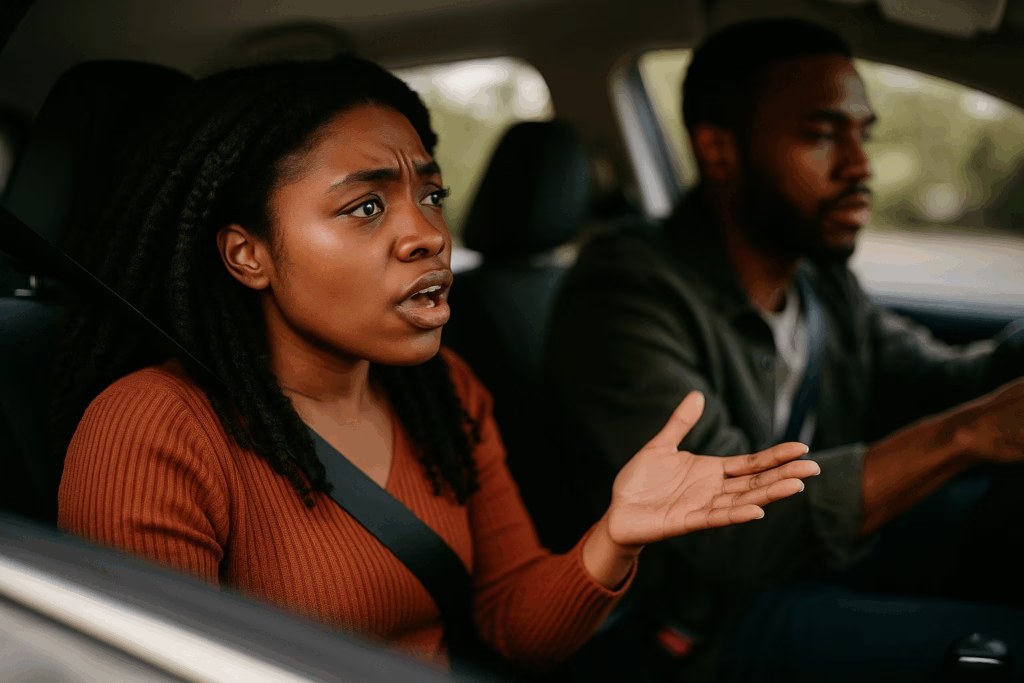
For a passenger to share any responsibility, their actions must have contributed to the driver’s loss of control or decision-making.
Common examples include:
If a passenger was arguing, shouting, or interfering with the driver, it may be argued that they caused a dangerous distraction. This typically comes up when multiple witnesses confirm disruptive behavior.
This is one of the few clear examples where passengers can be directly liable. Any physical interference with the vehicle’s operation — such as grabbing the wheel, jerking the gearshift, or pulling the emergency brake — can make the passenger partly at fault.
If a passenger encourages speeding, racing, or unsafe stunts, insurance companies may attempt to assign partial responsibility. While difficult to prove, texts, videos, or social media posts can sometimes support this argument. See more in: Injured as a Passenger? Who Pays?
In drunk driving cases, insurers may claim the passenger “assumed the risk” by voluntarily entering a car with someone visibly intoxicated.
(See also: Injured as a Passenger in a Drunk Driving Accident)
Even then, comparative negligence laws often allow passengers to recover compensation — their payout may just be reduced slightly.

In many states, comparative negligence laws divide responsibility between everyone involved in the crash — even passengers.
Example:
If a jury finds that a passenger’s distraction made them 10% responsible for a crash that caused $100,000 in damages, their compensation might be reduced by 10% — leaving them with $90,000.
At 833-GET-PAID, we work to minimize or eliminate these allegations by showing that the driver had ultimate control of the vehicle and that any claimed “distraction” wasn’t a contributing cause.
In the vast majority of cases, passengers cannot be blamed for an accident.
Typical examples where passengers are fully protected include:
Sitting quietly in the car when the crash occurs
Being unaware that the driver was impaired or distracted
Having no control over the vehicle’s operation
Relying on rideshare, taxi, or friend for transportation
Passengers are considered victims, not contributors, in nearly every personal injury claim — and 833-GET-PAID ensures insurers don’t twist the narrative. Make sure to know the passenger rights after a car accident.
Even if a passenger is found partially responsible, they can still pursue compensation for:
Medical expenses
Lost wages
Pain and suffering
Emotional trauma
Permanent disability or disfigurement
Insurance companies may try to deny or reduce payouts based on “comparative fault,” but an experienced attorney can negotiate full recovery when the evidence is on your side.
If you’ve been injured as a passenger, taking these steps can protect your rights — even if blame is being unfairly shifted:
Document everything – Take photos, record witness info, and note driver behavior before the crash.
Avoid admitting fault – Never apologize or speculate about blame at the scene.
Get medical attention immediately — even minor symptoms can worsen later.
Contact an attorney early – Legal teams can preserve evidence before it’s lost or distorted.
833-GET-PAID investigates every possible factor to ensure you’re treated as a victim, not a scapegoat.
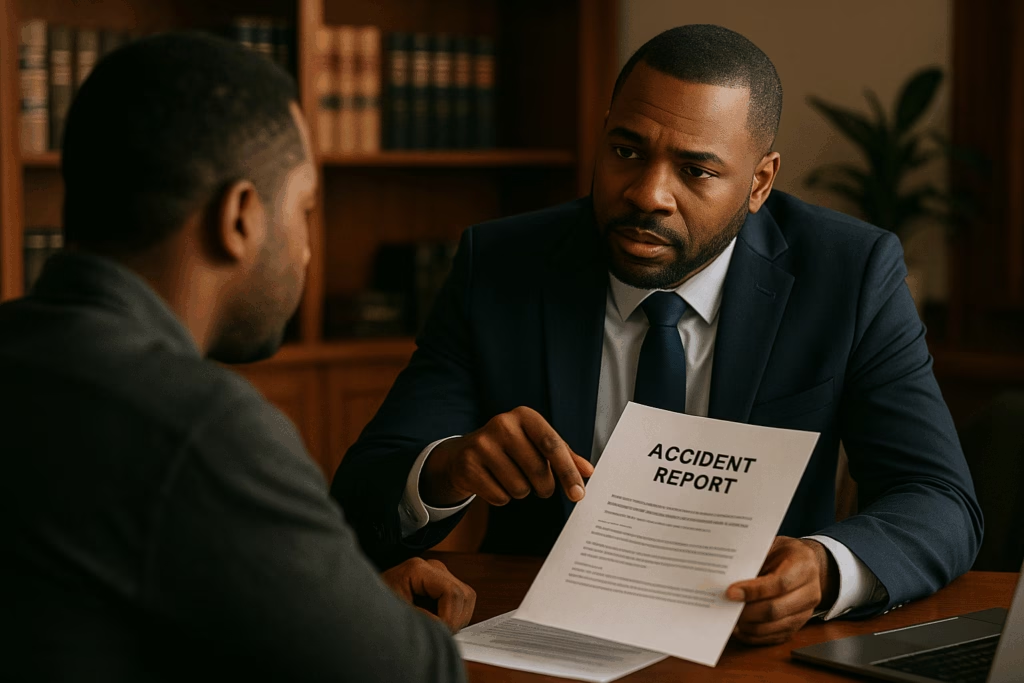
Most states require filing within two years of the accident, though this can vary. The sooner you reach out, the easier it is to protect your claim and preserve crucial evidence.
While passengers are almost never at fault, insurance companies sometimes use this argument to reduce payouts.
833-GET-PAID fights back — proving that passengers deserve protection, not blame.
If you were a passenger injured in a car crash, contact 833-GET-PAID today for a free consultation and learn how to protect your rights.

It’s uncommon, but yes — if a passenger’s behavior directly contributed to the crash, such as grabbing the steering wheel or distracting the driver, partial fault may apply.
Under comparative negligence laws, your settlement may be reduced by your percentage of fault. However, most passengers are found to have little or no responsibility.
Insurers might argue “assumption of risk,” but this defense rarely succeeds. Unless you knowingly got into a car with someone visibly intoxicated, you can still recover compensation.
Don’t panic — that’s often a tactic to reduce payouts. A personal injury attorney can review the evidence and challenge unfair blame, ensuring your rights are protected.
Our legal team investigates every detail, gathers evidence, and negotiates directly with insurers to prove you weren’t at fault — and that you deserve full compensation.